

For families who have spent decades building a business or working the land, few tax reliefs matter more than business property relief and agricultural property relief. Together, they can reduce…
For families who have spent decades building a business or working the land, few tax reliefs matter more than business property relief and agricultural property relief. Together, they can reduce the inheritance tax charged on qualifying assets by up to 100%, allowing a farm, trading company, or shareholding to pass to the next generation without forcing a sale to settle the bill. That protection is not automatic, however. Each relief comes with its own conditions around ownership periods, the nature of the activity, and how the asset is used at the date of death or transfer. Recent changes announced in the 2024 Autumn Budget, which will cap the combined 100% rate at £1 million per person from April 2026, make careful planning more important than ever. Understanding how business property relief and agricultural property relief interact is now essential for anyone with a family enterprise, working farm, or significant business interest.
What Is business property relief agricultural property relief?
Business Property Relief (BPR) and Agricultural Property Relief (APR) are two long-standing inheritance tax reliefs in the UK that can significantly reduce, or even eliminate, the tax charge on qualifying assets passed on during someone's lifetime or on death. Though often mentioned in the same breath, they serve distinct purposes and apply to different types of property.
Business Property Relief applies to qualifying business assets. This typically includes shares in unlisted trading companies, interests in a partnership, sole trader businesses, and certain shares listed on the Alternative Investment Market (AIM). Depending on the nature of the asset, relief is available at either 100% or 50%. The core aim is to prevent families from having to break up or sell a business simply to meet an inheritance tax bill.
Agricultural Property Relief, by contrast, is directed at farmland, farm buildings, farmhouses, and cottages used for agricultural purposes. It covers the agricultural value of the property rather than any development or hope value. Like BPR, relief is given at 100% or 50%, depending on factors such as ownership arrangements and whether the land is farmed in-hand or let out.
Both reliefs sit within a wider policy context: supporting the continuity of family businesses and working farms across generations. It's worth noting that the rules are due to change from April 2026, with a combined £1 million allowance at 100% relief and a reduced 50% rate thereafter — a shift that makes careful planning more important than ever.
Key Benefits of business property relief agricultural property relief
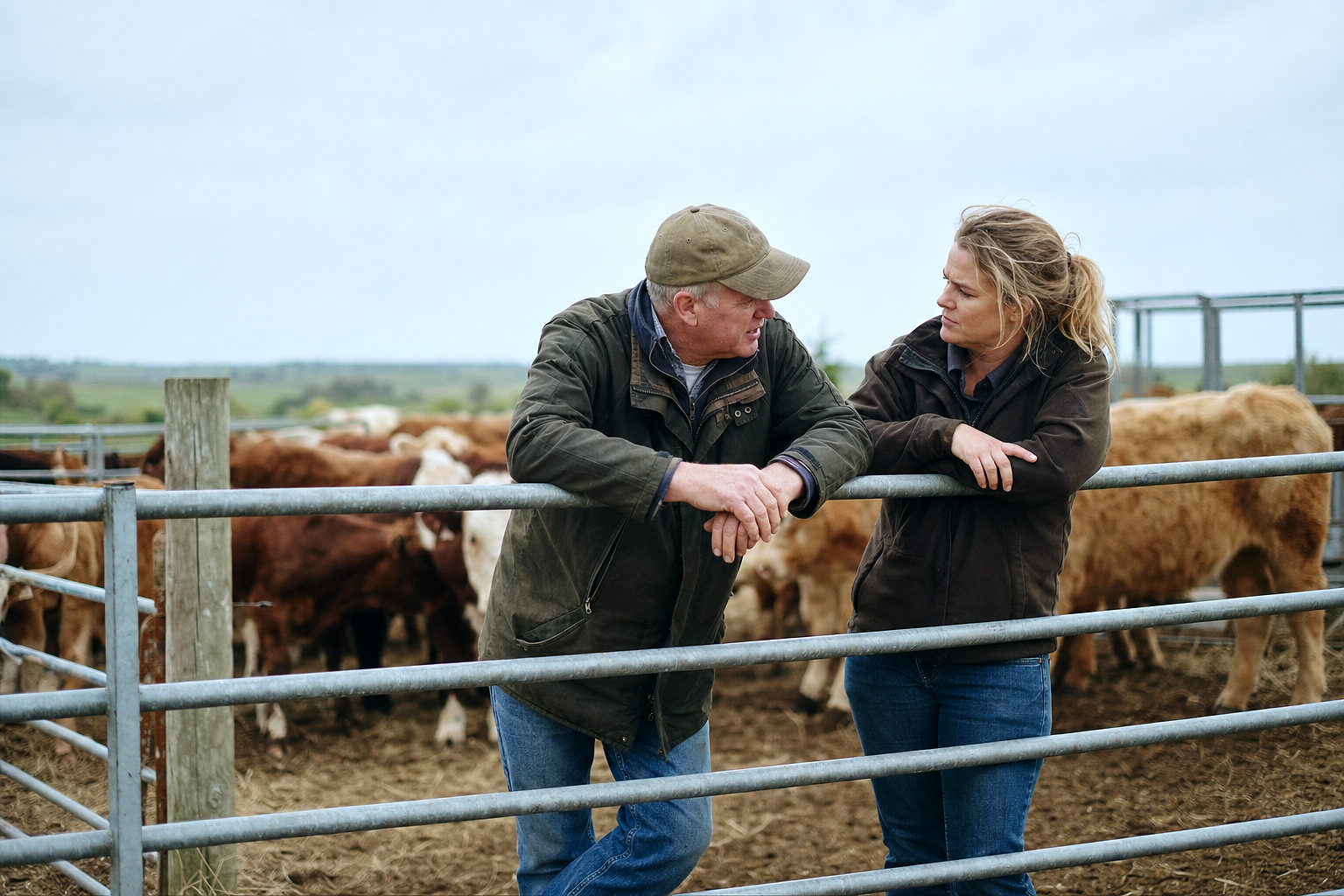
For families who have spent decades building a business or working the land, business property relief and agricultural property relief offer something genuinely valuable: the ability to pass on what you've created without a punishing tax bill dismantling it.
The headline advantage is straightforward. Qualifying assets can attract relief of up to 100% against inheritance tax, with a 50% rate applying in certain circumstances. That means a working farm, a trading company, or shares in an unlisted business may pass to the next generation largely, or entirely, free of the 40% inheritance tax charge that would otherwise apply.
This matters most where wealth is tied up in the enterprise itself. A farmer whose value sits in land, buildings, and livestock rarely has liquid cash to settle a tax bill. The same is true of a family firm owner whose shares are the business. Without these reliefs, heirs might be forced to sell the very thing they've inherited simply to pay HMRC. Both reliefs are designed to prevent that outcome, keeping productive assets intact and in family hands.
There are further practical benefits worth noting. Lifetime gifts of qualifying assets can also attract relief, offering flexibility in how and when succession is handled. Agricultural property relief covers not just farmland but farmhouses, cottages, and buildings occupied for agricultural purposes. Business property relief extends to a wide range of trading concerns, including partnerships and sole trader interests.
Planned well, these reliefs also work alongside other allowances, compounding the tax efficiency of a considered estate strategy. The rules are detailed and conditions must be met, particularly around ownership periods and the nature of the activity, but the reward for careful planning is significant: continuity, security, and the preservation of everything a lifetime of work has built.
How business property relief agricultural property relief Works

Business Property Relief (BPR) and Agricultural Property Relief (APR) are two inheritance tax reliefs that reduce the taxable value of qualifying assets, either by 100% or 50%, when they pass to beneficiaries. Understanding how each one operates in practice helps you plan with confidence.
The process begins with ownership. To qualify for BPR, the deceased must have owned the business, shares, or business assets for at least two years before death. For APR, the agricultural property must have been owned and occupied for agricultural purposes for two years if farmed personally, or seven years if let to a tenant farmer.
Next comes qualifying use. BPR applies to trading businesses, interests in a partnership, and unquoted shares. Investment-heavy businesses, such as those dealing mainly in land, stocks, or holding investments, are generally excluded. APR covers farmland, pasture, farmhouses proportionate to the land, and certain farm buildings, provided they are actively used for agriculture.
The rate of relief is then determined. BPR gives 100% relief on unincorporated businesses and unquoted shares, and 50% on controlling holdings in listed companies or land and buildings used by the business. APR provides 100% relief where the owner had vacant possession, or the right to obtain it within 12 months, and 50% in most other cases.
When the estate is valued after death, the executors identify qualifying assets and apply the appropriate relief before calculating inheritance tax. Supporting evidence, such as accounts, tenancy agreements, and land use records, is submitted to HMRC alongside the IHT400 return.
It's worth noting that from April 2026, a combined £1 million allowance will apply at the 100% rate, with amounts above that receiving 50% relief. Reviewing your arrangements ahead of this change is a sensible step.
Common Questions About business property relief agricultural property relief
What's the difference between the two reliefs? Business property relief (BPR) applies to qualifying trading businesses, unquoted shares, and certain business assets. Agricultural property relief (APR) applies specifically to the agricultural value of farmland, farm buildings, and farmhouses used for agricultural purposes. Some estates qualify for both, though not on the same value.
What rate of relief can I expect? Both reliefs currently offer either 50% or 100% relief from inheritance tax, depending on the nature of the asset. From April 2026, a combined £1 million allowance will apply at the 100% rate, with anything above that reduced to 50% relief. This is a significant change worth planning around.
How long must I own the property to qualify? Generally, two years for business assets and most agricultural property. If the land is let to someone else farming it, the qualifying period extends to seven years. Ownership history matters, so keep good records.
Does a farmhouse always qualify for APR? Not automatically. The farmhouse must be of a character appropriate to the land, and someone actively farming must occupy it. Retired farmers and let farmhouses often fall outside the relief, which surprises many families.
Can I claim relief on a furnished holiday let? Usually not. HMRC treats most holiday lets as investment activities rather than trading, so BPR is typically denied. Each case turns on the level of services provided.
Should I take advice before relying on these reliefs? Yes. The rules are detailed, and small facts can shift the outcome considerably.
Conclusion
Business property relief and agricultural property relief remain two of the most valuable tools available for passing on a family enterprise or working farm. Used well, they can reduce inheritance tax significantly, sometimes to nil on qualifying assets. Used carelessly, they can quietly unravel, leaving loved ones with an unexpected bill.
A few points are worth holding onto. Eligibility depends on the nature of the business or land, not just ownership. Trading activity matters, and investment-heavy structures often fall short. The rules announced for April 2026 will cap the combined relief at 100% on the first £1 million, with 50% relief thereafter, so earlier planning now carries real weight.
The sensible next step is a proper review of your current position. Gather your ownership records, recent accounts, and any partnership or shareholder agreements, then speak with a qualified adviser. A short conversation today can protect decades of hard work tomorrow.
Learn more about Inheritance Tax Planning.